

Rodriguez never intended to go to college. Instead, she began her career as a professional ballet dancer in Pennsylvania.
Alumna found her niche in gerontological nutrition
Posted on February 20, 2026

Posted on February 20, 2026
Rodriguez never intended to go to college. Instead, she began her career as a professional ballet dancer in Pennsylvania.
Posted on February 11, 2026
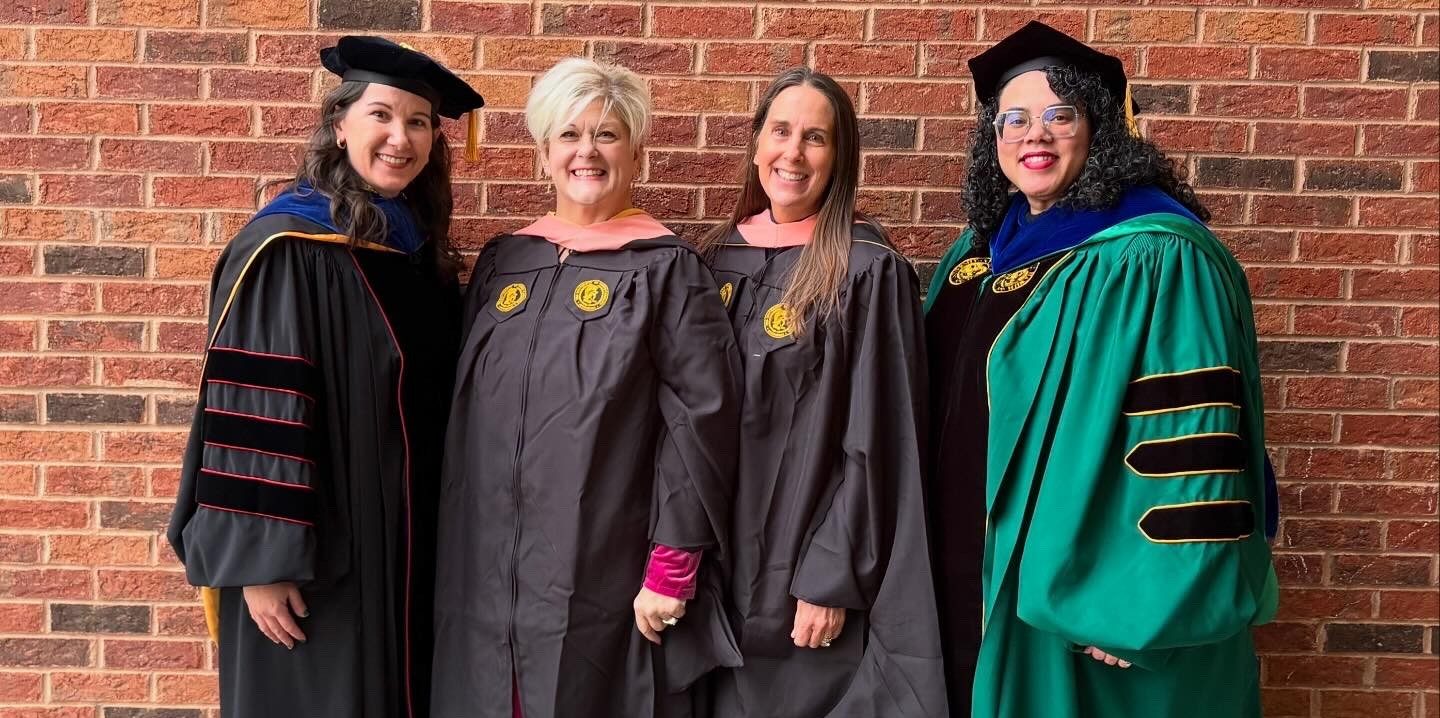
Everyone ages, but not everyone prepares for it. UNCG alumna Susanna Barton helps caregivers, as well as those who are entering that stage of life.
She started her business focused on educating others on preparing for the second half of life, Grand Plans, after an unexpected turn in her own life. About seven years ago Barton received a call from someone regarding the welfare of an older couple she knew but had not kept in close contact with.
“Unknown to me, (this couple) had assigned me as their primary caregivers,” she said.
Barton took on the unexpected role for two years, while simultaneously having her own family obligations with two teenagers and her own father suffering a brief illness and passing away.
“It opened my eyes to how much we all have to do to prepare for the aging experience,” Barton said. “I wrote down what I needed to do to make things easier for my children.”
This includes medical care, housing, legal documents, a financial plan, and what will happen to pets, among other things.
With one in four adults in the U.S. acting as caregivers, planning is essential. Barton wrote a book, “Grand Plans,” to help others not be caught off guard like she was. Her focus is to help others think through legal, financial, housing, and care decisions as they age.
Barton — who was previously a journalist, and then in education communications — decided she wanted to focus on this as a full-time career, realizing how important it was.

I felt there was a greater purpose in sharing the lessons I learned.
Susanna Barton
“I felt there was a greater purpose in sharing the lessons I learned. This demographic is shifting so quickly. When we go through hard times, we want to share lessons to benefit others,” Barton said. “I wanted to shift gears from communications to something more flexible, and this seemed like the right path to me.”
She was unfamiliar with the official field of gerontology until a friend mentioned it to her. She researched programs and applied to UNCG. She graduated in December 2025 with her master’s degree in Gerontology, earning the degree online from where she lives in Jacksonville, Fla.
“Attending UNCG and earning my MS degree in the Gerontology program was so affirming. It gave me street cred and the science to know what I was talking about, not just my experience,” Barton said. “I could have gone in and learned what I did was not best practice. It also opened my eyes to the ecosystem of people in the field of gerontology. This program was affirming in every way.”
Barton said the faculty and fellow students also made the program enriching.
Dr. Eifert and Dr. Caro were so supportive. And even though the program was online, I felt so connected. UNCG has such a well-run program and it’s so educational.
Susanna Barton
“Dr. E (Eifert) and Dr. Caro were so supportive. And even though the program was online, I felt so connected,” she said. “UNCG has such a well-run program and it’s so educational.”
While earning her degree, Barton expanded her business, blogging, writing a free bi-monthly Grand Plan newsletter with aging information and reviews on books that cover aging, and conducting Mindful Aging workshops.
Upon graduation, she was also part of a Jacksonville TedX talk on aging. Barton is also designing a new workshop.
“People are reluctant to talk about preparing for aging, until you get them talking about it, and then it’s hard to get their lips zipped,” she said. “Older adults who are moving through that season are starting to talk more.”
Barton admits that following a “Grand Plan” can take a lot of work, but is worth it in the end, saying she and her husband are still finalizing their own.
“I did most of my directives and financial piece and am having conversations with my kids about what we want, making them normal, healthy conversations. I still need to work on decluttering,” she said. “My eyes are very wide open. I try to be aware of what I still need to do as I age.”
For new caregivers, Barton offers a few tips: Ensure legal documents are structured correctly, such as living wills and health care wishes.
“And find relief that there are so many wonderful people in the aging and gerontology fields to find support,” she said. “All caregivers get to a point where it is too much. To build a team to support you is a big deal, instead of thinking you can do it all alone.”
By Sarah Newell
Posted on January 29, 2026

Both almond butter and peanut butter are very versatile and can be used in many recipes, such as smoothies, baked goods, savory dishes, oatmeal, or homemade granola bars, where the nut butter will pack in extra protein, fiber, vitamins, and minerals.
Professor Amy Moyer, registered dietitian
Posted on January 23, 2026
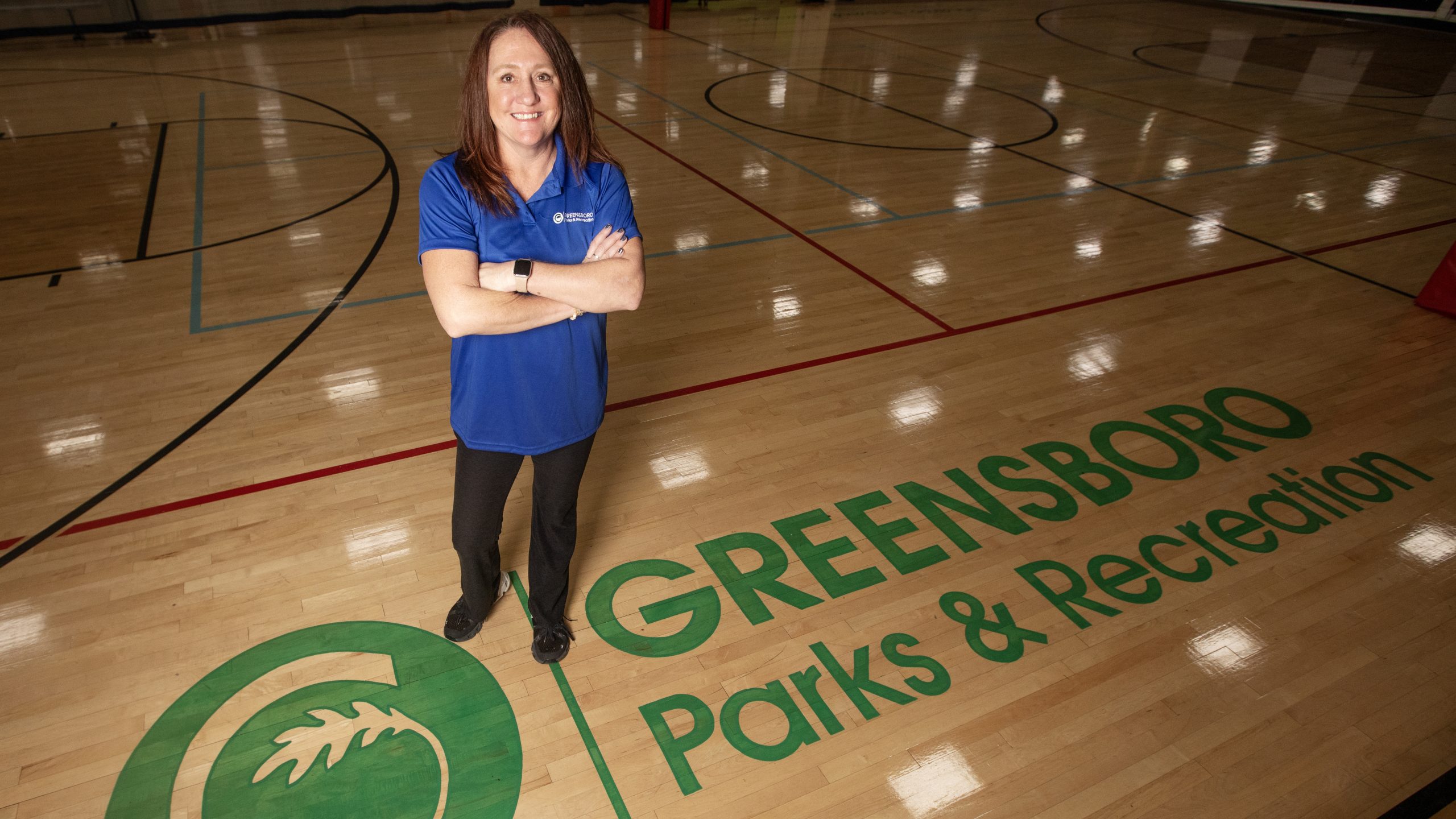
A lot of people don’t realize that when working with people with disabilities, simple modifications can be made so that everyone can participate. It’s not just about the one person with a disability – it really is making a more inclusive and accessible community for everyone.
Sharon Williams, Adaptive and Inclusive Recreation (AIR) Coordinator with the City of Greensboro’s Parks and Recreation Department and UNCG 1999 Department of Recreation, Parks and Tourism alumna
Posted on January 21, 2026

What’s great is they don’t take much space or much equipment, and you can modify them. They don’t take a lot of time, you can take a quick break and get some movement in.
Dr. Anne Brady, Professor of Kinesiology
Posted on January 21, 2026
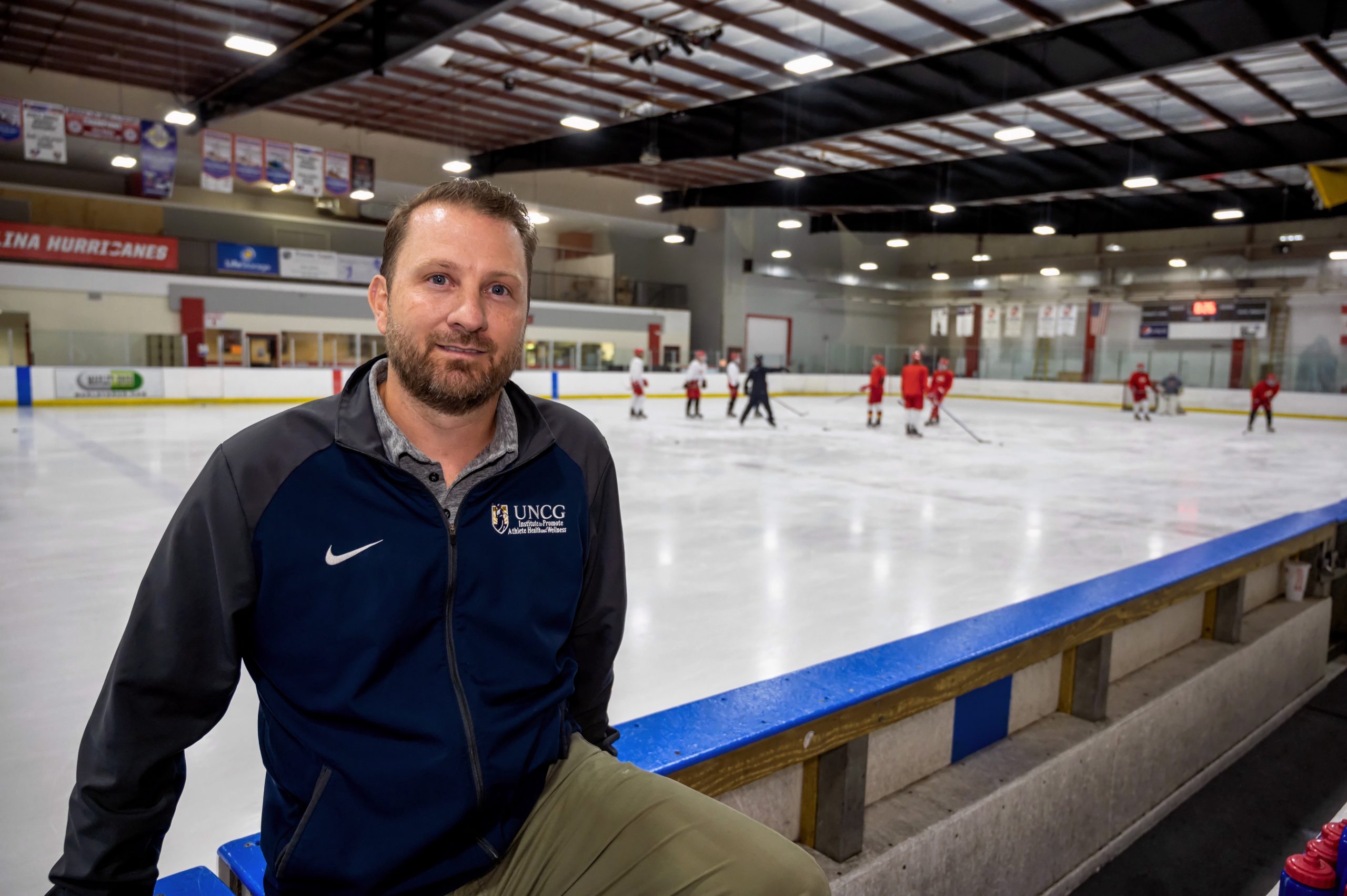
Our goal is to ensure the athlete is getting all of the benefits sport participation can offer—social-emotional learning, how to conduct themselves with their peers, and how to develop a good coach-athlete relationship—and to prevent negative impacts to their health.
Dr. Jeffrey Milroy, Director of UNC Greensboro Center for Athlete Well-Being
Posted on January 14, 2026
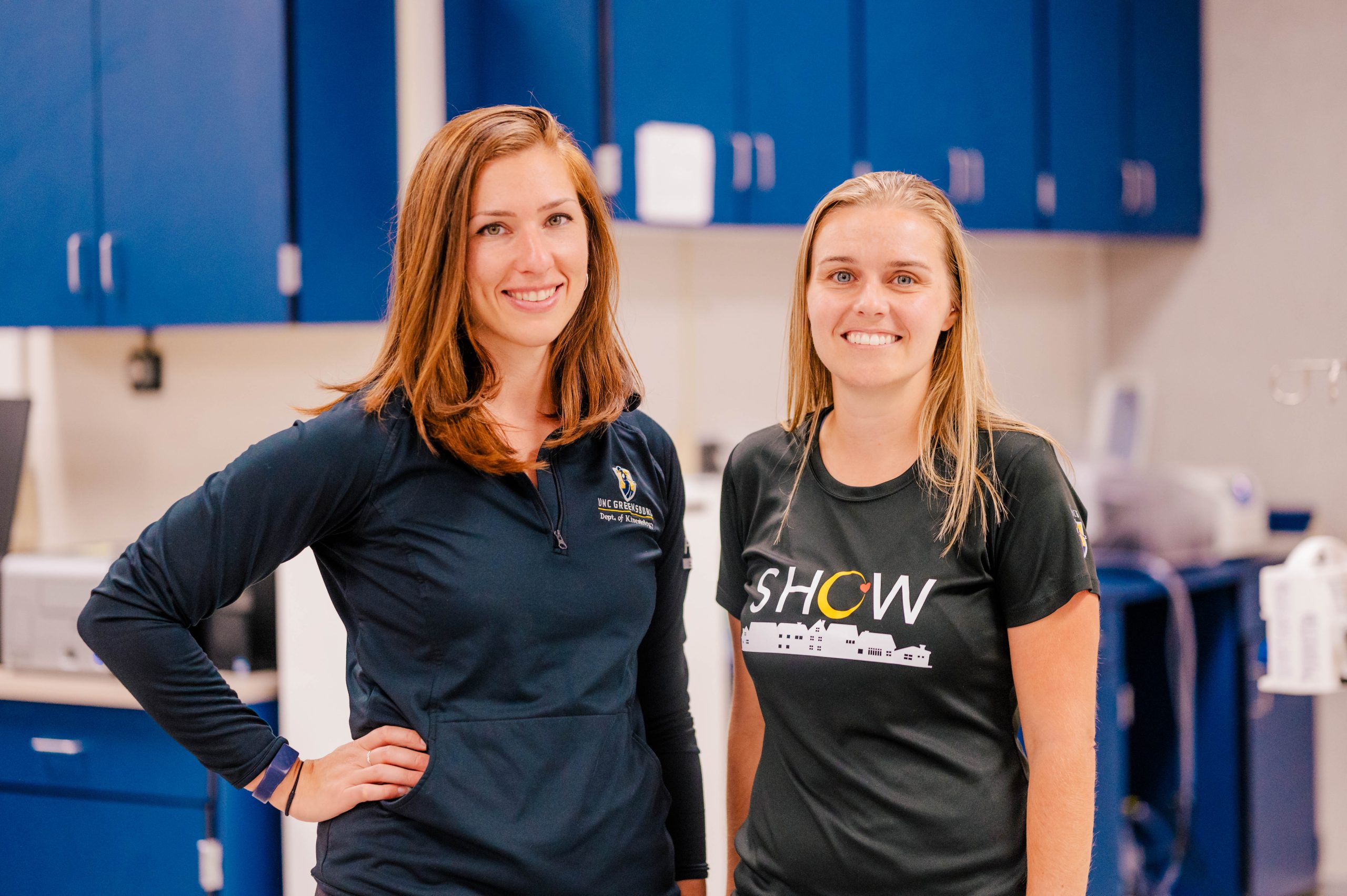
At the heart of it all, mentoring is about relationships. I work hard to see my mentees as people first.
Dr. Jocelyn Smith Lee, Associate Professor of Human Development and Family Studies
Posted on January 05, 2026
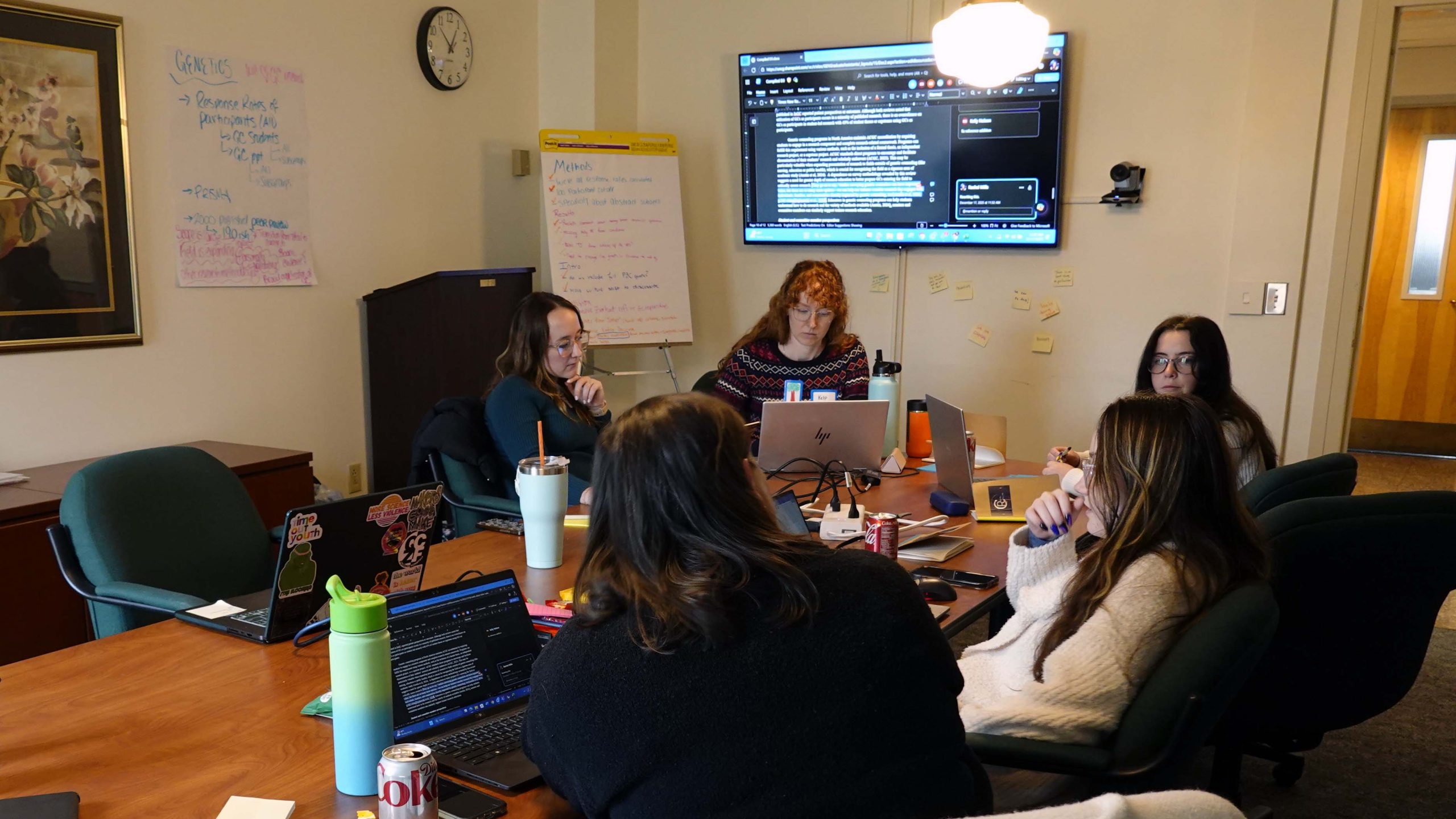
When you’re a faculty member or a student, writing a paper that will be published in a respected academic journal takes time and effort, and can be daunting. A collaborative, team approach with others interested in similar research can make the process easier, as well as more fun and engaging.
While many at UNCG were wrapping up the fall semester and resting over the winter holiday, 27 people primarily from the School of Health and Human Sciences spent three days with ReVel Collab (Research Velocity Collaborative), doing the “paper chase” method of collaborative research writing to facilitate a more productive process for a paper.
A New Method of Research Writing
“The paper chase is very different from traditional research, which is time consuming and choppy to do,” said Dr. Alicia Dahl, one of the co-founders of ReVel Collab and a professor at UNC Charlotte. “All analysis of data is completed before you start, and you know exactly what you want to do ahead of time. You use publicly available data. It doesn’t matter what the data is, as long as you know what the data are. We realized this could be a pathway for students to get involved in research.”
Dahl formed the company two years ago with Dr. Jessamyn Moxie, also a professor at UNCC. The paper chase method splits up the workload of writing a paper that will be publishable over three days. The first day is focused on writing, the second day on what’s missing from the paper, and the third day on polishing it.
Dahl, Moxie, and two of their facilitators work with the teams to ensure they can be most effective.
We set the pace for the day, do task assignments, do a strength and skills assessment and have a match assessment.
Dr. Alicia Dahl, cofounder of ReVel Collab
“We set the pace for the day; do task assignments; do a strength and skills assessment and have a match assessment; we manage the dynamics of the room and break the tension if needed; we do team building activities; we do energizers such as walks, yoga, and dance parties in the hallway; we do file management so everyone is working in the right space and content isn’t lost; and we’re the outsiders. We’re reading the article for the first time, so we ensure the translation matches what they want to say,” Dahl said.
A Team Approach with a Variety of Participants
Dr. Esther Leerkes, Associate Dean of Research for HHS, previously participated in a paper chase. She said the forced breaks at the end of a 45 to 60-minute writing block were critical.
“I didn’t want to stop writing, but I could see the quality of my writing go up after a break,” she said. “And talking and getting to know each other (in my team) in a non-threatening manner with prompts really help my team collaborate.”
UNCG’s participants were split into four groups based on their interests: Response rates among genetic counselor participants in student-led research; health care inequities for sexual and gender minority adults in the U.S.; cardiovascular risk factors among U.S. Latina women by age, education, nativity, and parental status; and the role of sleep quality and exercise on brain activity in college students. The teams included two undergrad students, eight master’s students and three Ph.D. students, in addition to faculty members and researchers.
The mix of faculty and students is intentional, including involving people who may have never done research before.
This helps build relationships with people who could mentor you and build other relationships. We play with the power dynamics so people can trust themselves, so graduate and undergraduate students feel confident.
Jessamyn Moxie, cofounder of ReVel Collab
“This helps build relationships with people who could mentor you and build other relationships,” Moxie said. “It helps navigate the fear of, ‘Is this paper done enough? Is it polished enough?’ We play with the power dynamics so people can trust themselves, so graduate and undergraduate students feel confident.”
It can also lead to students who may not have considered themselves in research as a career viewing that as a possibility.
For Kinesiology Ph.D. student YJ Seo, this was his fifth time in a paper chase.
I Learn something every time. I feel like a paper won’t be finished each time, but it works out with the writing and editing.
YJ Seo, Kinesiology Ph.D. student
“I learn something every time. I feel like a paper won’t be finished each time, but it works out with the writing and editing,” he said, adding that the experience is invaluable for a career. “Having a publication helps secure an application for graduate school or a job.”
Kinesiology professor Dr. Eric Drollette said being able to talk about ideas in a team and come up with a solution was refreshing.
It reminds me of why I got into research in the first place.
Dr. Eric Drollette, Kinesiology Professor
HHS’ Office of Research funded two teams, the Center for Women’s Health and Wellness funded a team, and the Dean’s Office funded a team, with the goal for the teams to have a paper ready to submit to a journal at the end of the three-day process. The teams were selected by faculty members and ReVel Collab, ensuring the best needs of the groups were met.
Next Steps in the Chase
At the end of three days, all four teams had completed drafts of their papers, but none were quite ready for submission. Two had manuscript drafts, group revisions, and journal submission materials that include an abstract and cover letter. Three teams plan to submit to journals in January. The fourth needs to finalize their data analysis, which they were aware of prior to the start of the paper chase.
Dahl and Moxie have a plan for teams that are ready for submission at the end of the three days.
“If a team doesn’t finish in three days, we ensure they have a plan to finish, whether it’s in a day, or they set aside blocks of time to do it,” Dahl said. “We’ll check in once a month, and we celebrate every milestone with them.”
Content is also developed, so their research and ideas aren’t lost and can be utilized later.
Kinesiology Professor Dr. Jenny Eitner was impressed with how the paper chase method expedited the writing.
“Without this, it would have been a six-month process to write the paper, and we’ve done it in a week,” she said. “The problem-solving (in a group) was also helpful. I’d love to do this every semester.”

By: Sarah Newell
Posted on December 22, 2025
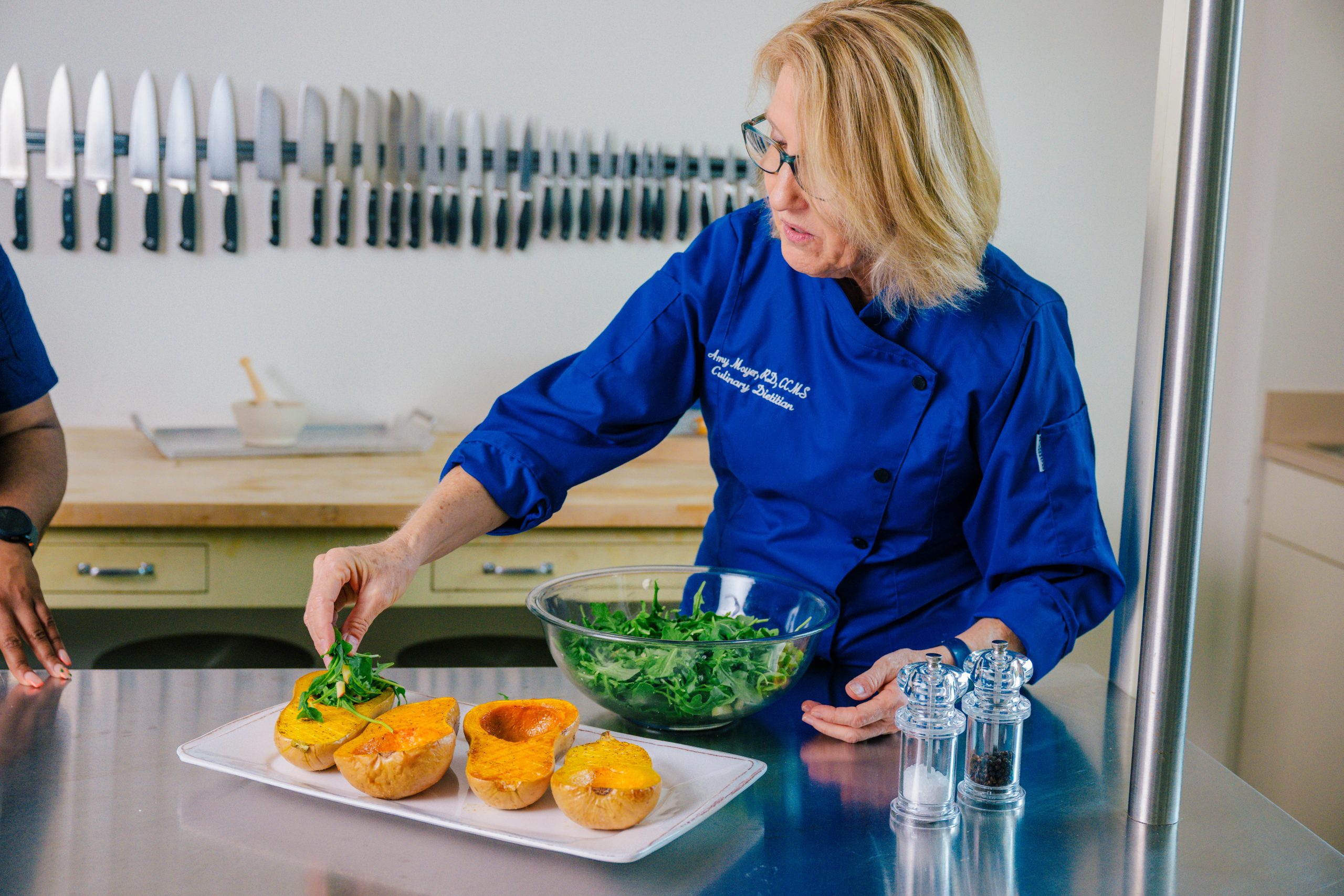
Artichokes are a great source of fiber, offering nearly 7 grams in one whole artichoke. The vegetable mainly contains soluble fiber in the form of inulin, which functions as a prebiotic and feeds the good bacteria in the gut.
Amy Moyer, registered dietitian, certified culinary medicine specialist, and assistant professor
Posted on December 18, 2025

Caregivers often face stress, isolation, and difficult decisions. Having a space where they can learn, ask questions, and connect with others in similar situations helps reduce that burden. It also fosters a sense of community and belonging, reminding caregivers that they are not alone.
Stefanie Milroy, director of HealthyUNCG