Posted on April 02, 2026

UNCG audiology student McNeill get hands-on experience screening musicians in the School of Music.

For Peyton Bowditch, hearing is not just important to their quality of life, but to their professional success. 

The senior from Raleigh is earning their bachelor’s in Music Education in UNCG’s School of Music and will attend the University of Michigan in the fall for a master’s degree in choral conducting. 

Since their first year at UNCG, Bowditch has participated in the free hearing screenings at the School of Music, conducted by audiology students in the Department of Communication Sciences and Disorders (CSD). Music students are recommended to get their hearing screened annually to ensure they aren’t experiencing hearing loss, as part of the School of Music’s Hearing Protection Program

“When I began (at UNCG) I took a tour of the building and they explained the testing and what it is. I was told it was a cross-campus collaboration to protect our hearing,” Bowditch said. 

UNCG was one of the first universities in the U.S. to have a hearing protection program for music students. The hearing screenings are a central component

Dr. Rebecca Libera, program manager. 

Screenings are conducted by undergraduate and graduate audiology students, selected by CSD professors. 

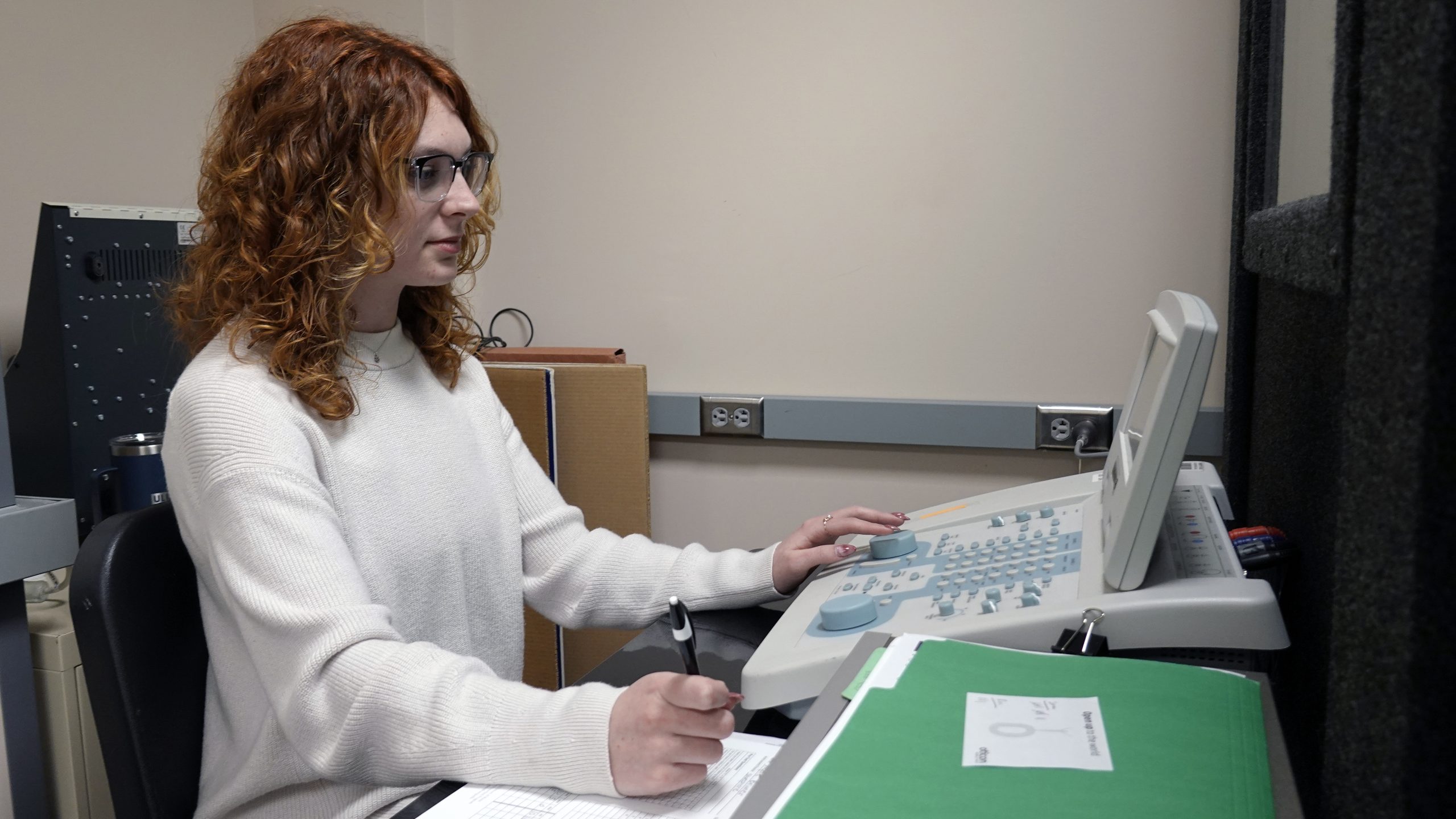
Autumn McNeill, 22, from Kernersville, is one of two undergraduate students conducting the hearing screenings this semester. Working with the music students is her first experience screening people. 

“My first day, I loved it and I knew I could do this my whole life,” McNeill said. “Screening my peers has been a learning experience. Hearing loss is an invisible disability. Seeing my peers and helping them understand why they can’t hear or are struggling feels more personal, and I can connect with them.” 

She greets each student and explains what she will do. She then asks a few pre-test questions, such as whether the student has been tested before, has earaches, is aware of a hearing loss, takes prescription medication, or has a relative with a hearing loss. The student then goes into a booth and puts on headphones, listening for tones that she will play. 
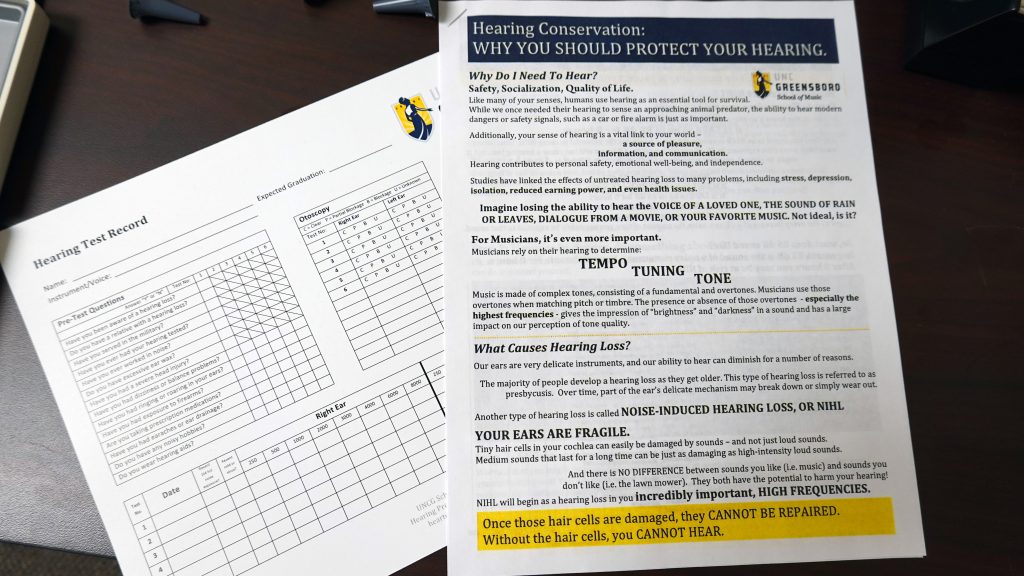
Why you should protect your hearing

After the screening, the audiology student conducting the test will go over the results briefly with the music student. If the student was tested in previous years, results can be compared to see if there’s been a hearing loss. 

“When we see a difference in hearing loss, we recommend they get an in-depth hearing screening at the Speech and Hearing Center or their primary care provider,” McNeill said. 

Music students are asked if they use hearing protection routinely. And while the students all said they used it, very few said they used it every time. 

“Hearing protection is a good earplug that will dampen sound, but not block it out, I use high-fidelity earplugs at concerts. The Speech and Hearing Center has foam earplugs. You can also get custom ones made,” McNeill said. 

Free earplugs are also available at the music library. 

Bowditch admits they don’t use hearing protection each time. 

“If I know I will be in a combined rehearsal (with orchestra), I’ll wear earplugs,” they said. “In my orientation to college as a music major, I was told what could happen if you don’t protect your hearing.” 

Natalie Lyons, 23, of Clemmons, is currently earning her doctorate in audiology at UNC-Chapel Hill. She conducted hearing screenings at the School of Music as a senior at UNCG as an audiology student. Lyons said the opportunity prepared her for her graduate classes and impressed the nine graduate schools she applied to, being accepted to each one. 

“Going into my first semester at UNC, I knew so much more than some of my other classmates, such as interpreting graphs,” Lyons said. 

The 10-minute screenings she conducted on her classmates proved to be an asset professionally, as well as an eye-opening experience for her. 

“I’d ask (the students) how loud they’d play music in their earbuds or headphones. OSHA (Occupational Safety and Health Administration) standards say 85 to 90 decibels are safe for eight hours. But for every 5 decibels over that, the time is cut in half. So, at 95 decibels, it’s safe for four hours, 100 decibels is only safe for two hours,” Lyons said. “Hearing loss can affect anyone, and once it’s gone, it doesn’t come back. Sometimes it’s a temporary hearing loss, but you don’t know if it will come back.” 

Lyons knows firsthand the impacts of hearing loss. She was born with it, although she wasn’t diagnosed until age 7, when her mother discovered she was reading lips. She got a hearing aid at age 12. Lyons credits UNCG Professor Dr. Amy Myers with helping guide her in the field and reassure her that she could still do what she wanted to do. 

“My senior year I talked with Dr. Myers about concerns I had with my hearing loss and not being able to hear the patients. She reassured me that I could still go into the field and it would help with relating to the patients,” Lyons said. 

The audiology students who conduct the hearing screenings at the School of Music do it as part of a class. They are graded on papers and a final project at the end of the semester.

Libera said hearing loss is not often seen among college-aged students, and said education is a factor. 

“We think of loud sounds (causing hearing loss), but even medium volume sounds over a long time are just as damaging to our hearing, and some students have more than one ensemble practice in a day,” she said. “I’m proud of our program. These types of programs make a difference for musicians, and attitudes toward ear protection are changing.” 

Libera also expressed gratitude for the partnership with the CSD program. 

“It’s been a huge benefit to have cutting edge information from the students at UNCG who are in the audiology field,” she said.

By Sarah Newell
.

Posted on March 30, 2026

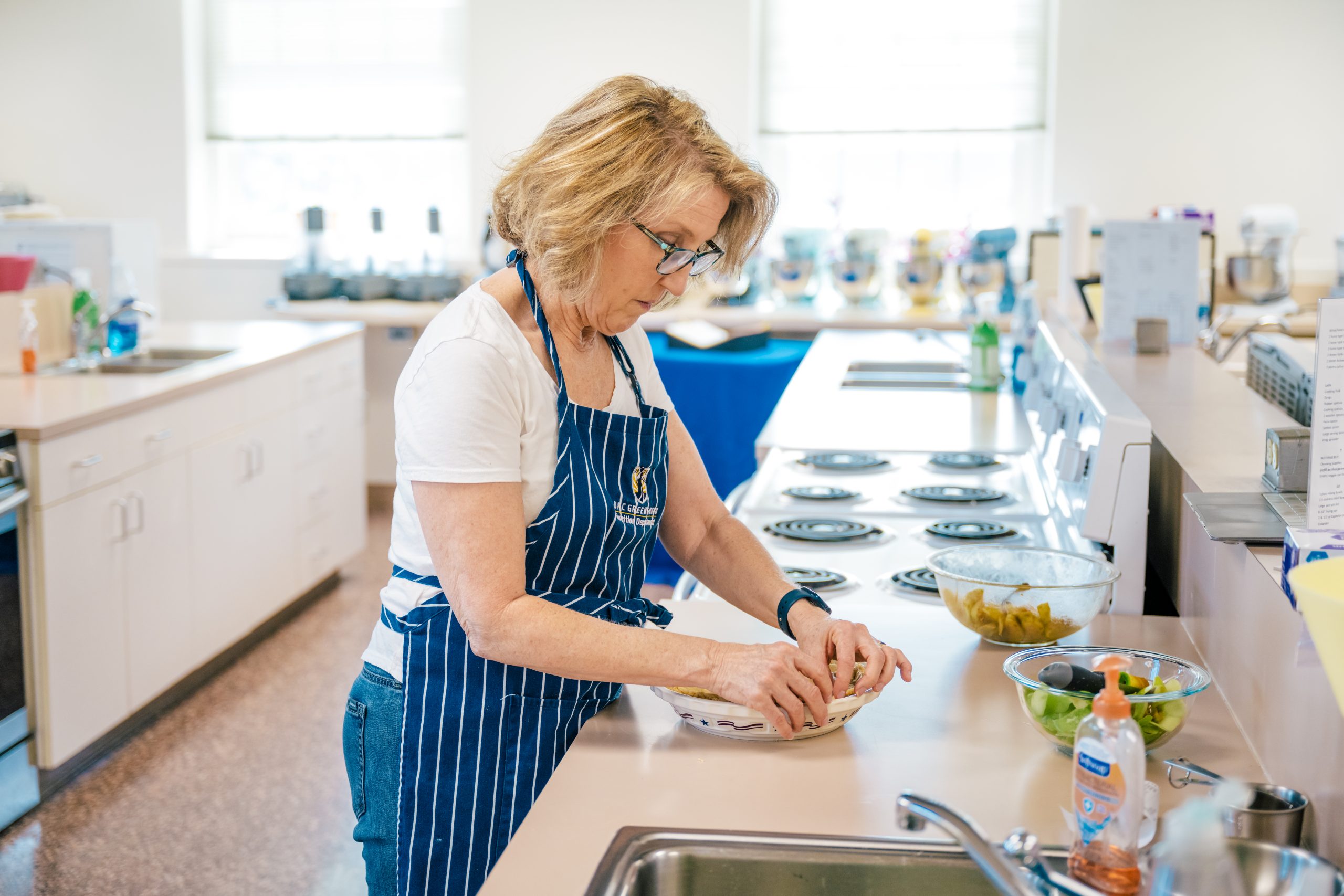
72 Year Old Apple Pie Recipe - Resurrected for July 4th

.

Posted on March 24, 2026

UNCG Students helping athlete

Career fields in sports and health sciences are growing to serve athletes of all ages, from children on recreational teams to collegiate and professional athletes. Building those workforces in our state is the mission of UNCG’s School of Health and Human Sciences (HHS). 

Excerpt from “UNCG Trains the Team Behind the Teams”

.

Posted on March 19, 2026

Jenny Erausquin

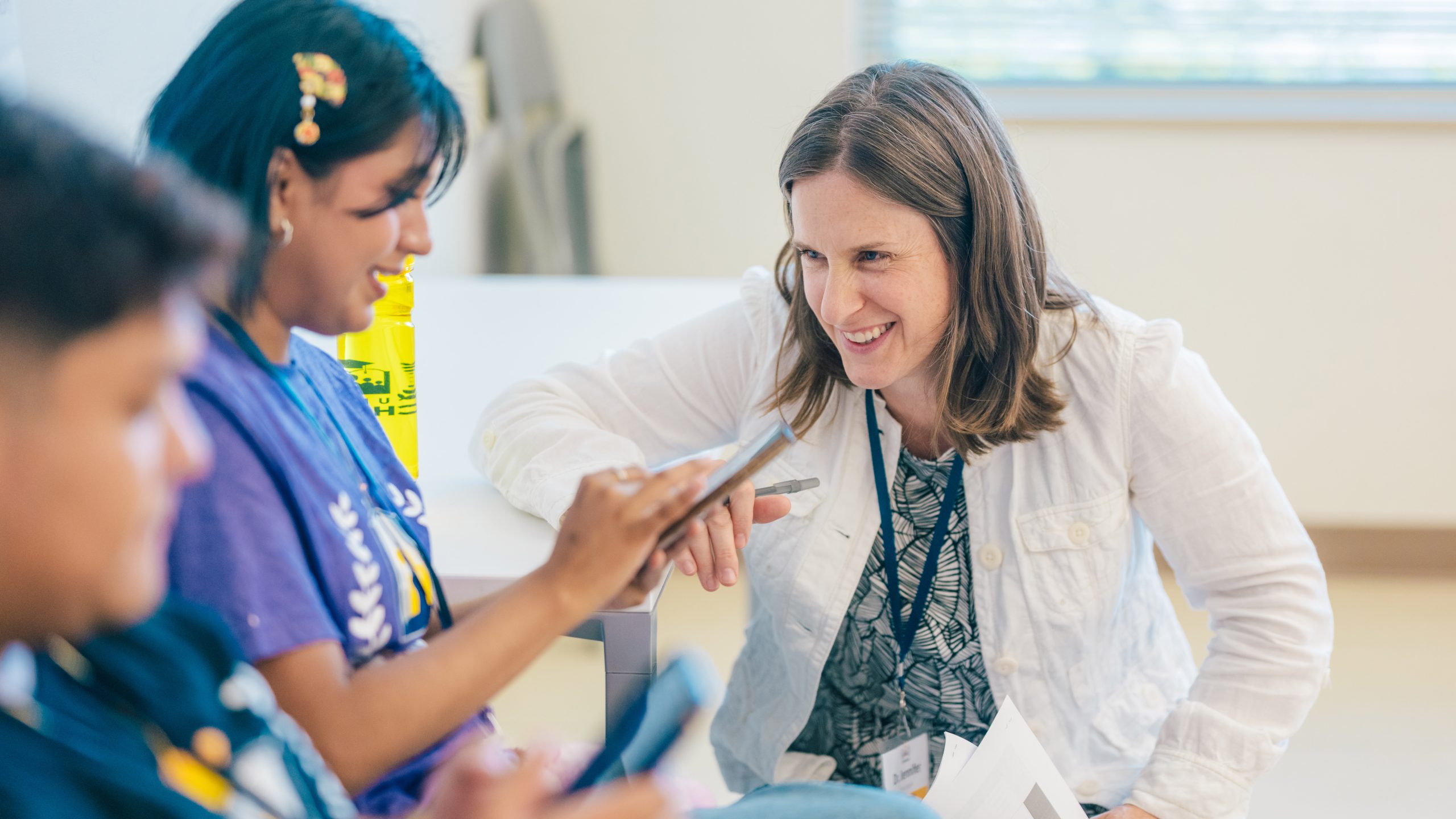
Dr. Jennifer Toller Erausquin, associate professor in the Department of Public Health Education, has been selected as the 2026 recipient of the Thomas Undergraduate Research Mentor Award in the tenured faculty category. 

.

Posted on March 13, 2026

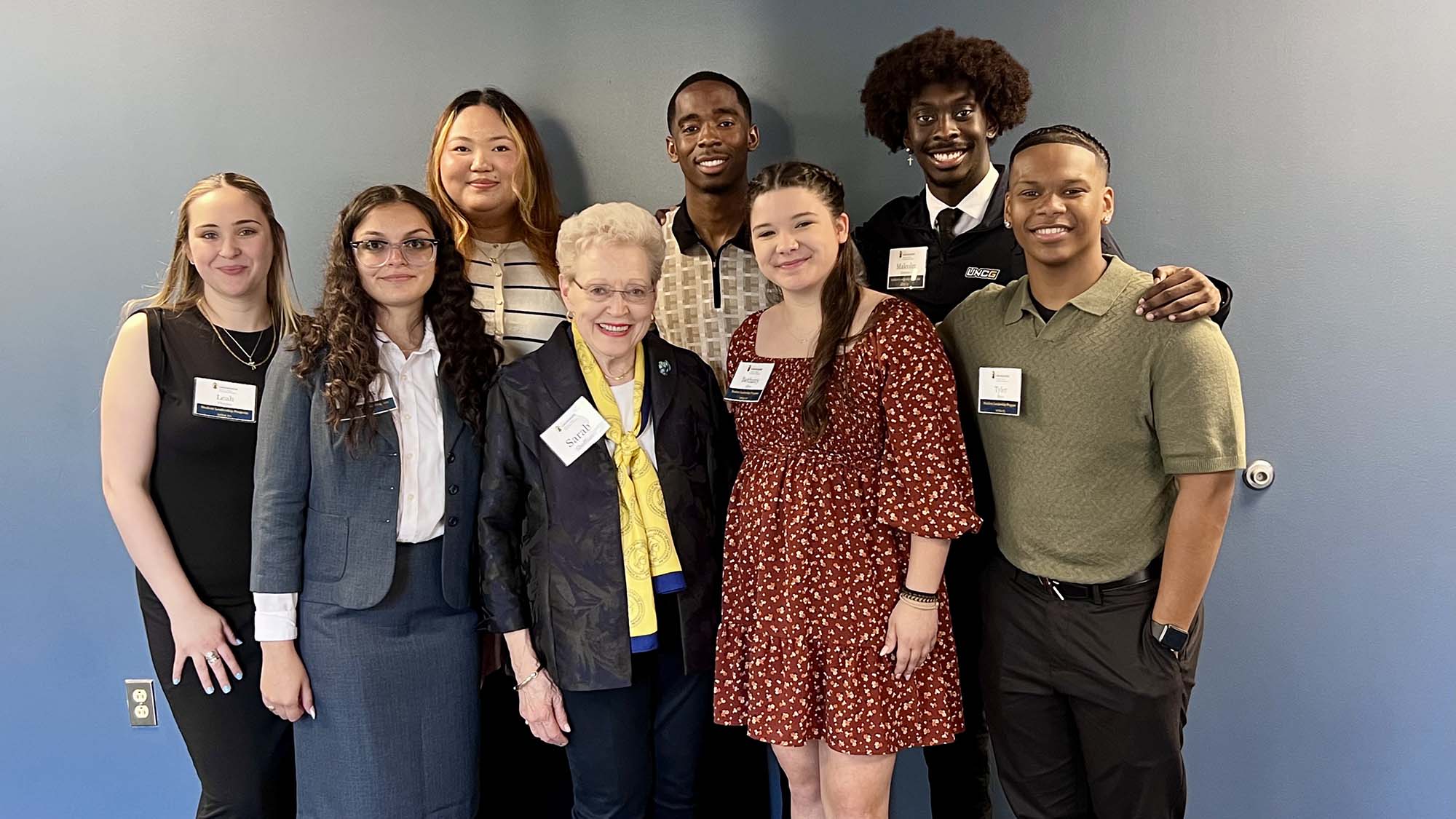
Sarah Schoffner with HHS Student Leadership Students

Alumna and Professor Emerita Dr. Sarah Shoffner, 86, dedicated more than six decades of her life to UNC Greensboro. The recent passing of this mentor and lifelong supporter of UNCG impacted many. 

Sarah Shoffner was a force of goodwill, institutional and societal change. Her involvement at UNCG was extensive and far reaching, and her willingness to support her alma mater was unwavering. The School of HHS is grateful for her devotion to student success. I will miss Sarah’s strategic advice, supportive ear and positive encouragement.
Dean Carl Mattacola, School of Health and Human Sciences

Shoffner’s deep connections with the University began when she was a student at the Woman’s College, where she earned her B.S. in home economics in 1962 from what is now the School of Health and Human Sciences (HHS). Shoffner continued her education here with an M.S. in home economics education in 1964 and later a Ph.D. in child development and family relations. 

Sarah Schoffner and Dean Carl Mattacola

Shoffner began teaching at UNCG not long after earning her first degree. She began a 43-year career that shaped the lives of countless students and peers in what is now the Department of Human Development and Family Studies (HDFS). Shoffner retired in 2005 as Professor Emerita. 

She made an impression on all she met, including Dr. Joi Bulls, now Associate Dean for Undergraduate Affairs for HHS. Bulls assumed the role of HDFS internship director from Shoffner upon her retirement. 

“When I stepped into my role 20 years ago, I knew immediately that I had big shoes to fill,” Bulls said. “Dr. Shoffner had built deep relationships with students, colleagues, and community partners over many years. Her impact was clear everywhere I turned.” 

Even upon her retirement, Bulls said Shoffner’s impact on her school and community remained. Throughout the years, Shoffner remained committed to UNCG, serving on the Class of 1962 fundraising campaign, the 50th Reunion Committee, the Alumni Association Board, the Resource Development Committee, UNCG Foundation Board, president of the Human Environmental Sciences Foundation, and an ad hoc member of the University Investment Committee. In addition, she helped establish the sculpture Astera in honor of the Woman’s College and chaired the Alumni House Committee. 

Shoffner also ensured student success in a variety of ways. In 1996 she created the Sarah Moore Shoffner Program Endowment Fund. The endowment is used at the discretion of the dean of the School of Human Environmental Sciences (HDFS) to support leadership and professional development activities for undergraduate students and organizations. This may include guest speakers, leadership development seminars, student travel or internship opportunities, student organization or departmental special programs, publications, or special materials or equipment. 

Most recently she became involved the HHS Student Leadership Program (SLP), which is co-directed by Bulls and Larissa Witmer, HHS Assistant Dean for Projects and Programs. The program started in fall 2024 and is designed to prepare undergraduate students for success after graduation through professional development and networking opportunities. 

“Last year, it was a full circle moment for me as Dr. Shoffner attended the program’s end-of-year celebration. She stayed until the very end, taking time to talk with each student and was genuinely curious about who they were, where they were headed, and what mattered to them,” Bulls said. “Watching her interact with them and seeing how proud of what they had accomplished was incredibly meaningful. Her legacy lives on not only in the programs she helped inspire, but in the people who continue the work she cared so deeply about.” 

Leah Flippin, a Communication Sciences and Disorders major, was in the first SLP cohort and is a current ambassador and teaching assistant for the program. Flippin had the chance to interact with Shoffner and said it was an important part of the experience. 

“As the program’s most dedicated donor, she believed deeply in giving students the chance to grow, lead, and discover their potential. Her generosity didn’t just support opportunities, it created them,” Flippin said. “Now, as a teaching assistant, I see how her support continues to open doors for new students, helping them build confidence, community, and leadership skills that will last long after they leave UNCG. Even though Dr. Shoffner is no longer with us, her legacy lives on in every student who steps into this program.” 

memorial service will be held at the Marcus T. Johnson Alumni House on March 20 at 2 p.m. 

By Sarah Newell 

.

Posted on March 06, 2026

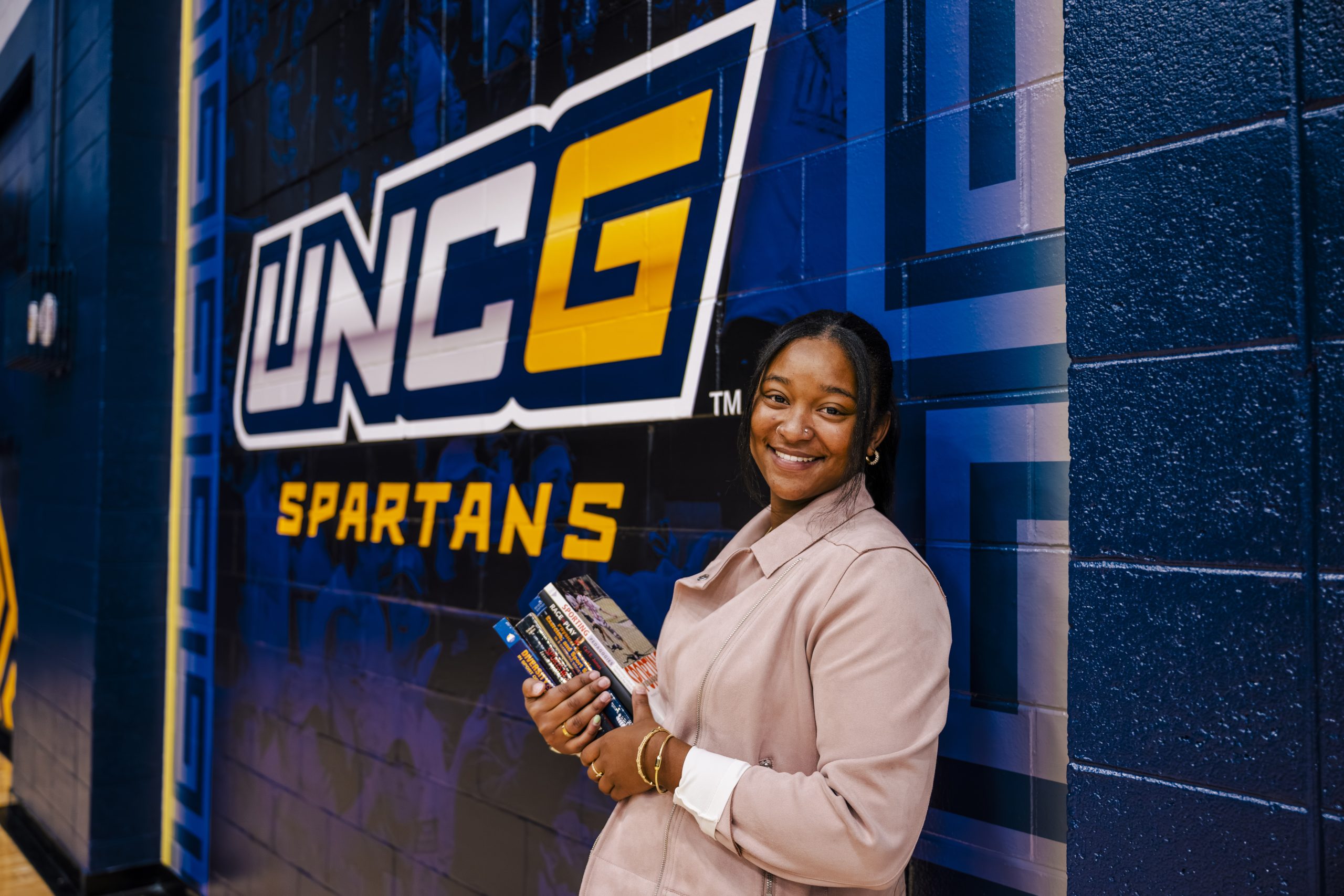
Lexi Kier was recently selected as a Robert Wood Johnson Health Policy Research Scholar. She is a doctoral student in public health education with a focus on athlete well-being. She became interested in the topic following an injury she experienced as a high school basketball player.

For Lexi Kier, sport has always been more than competition — it’s an intersection of joy and loss, community and pressure, and resilience and vulnerability. As a doctoral student in public health education at UNC Greensboro, she is building a research agenda that challenges how institutions understand athletes, particularly Black athletes.

.

Posted on March 05, 2026

Allen Laurie, Nutrition

Chronically low fiber intake has been associated with an increased risk of certain cancers, particularly colorectal cancer. Insoluble fiber helps move waste through the digestive tract more quickly, reducing the amount of time potentially harmful substances remain in contact with the colon lining.

Laurie Allen, UNCG professor of nutrition and director of didactic program in dietetics nutrition

.

Posted on March 02, 2026

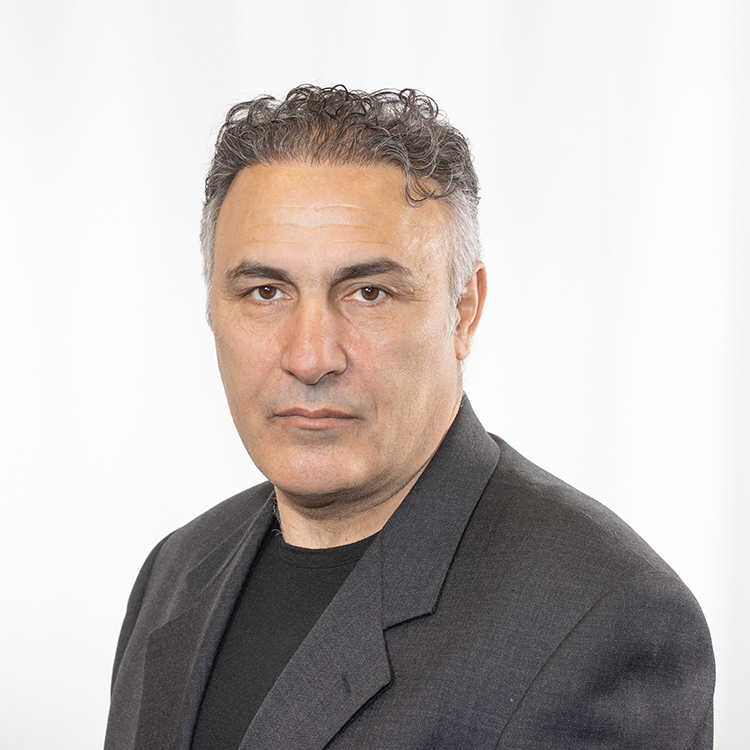
Ali Askerov, Peace and Conflict Studies

At this point, I would say this Washington faces a dilemma. First, respond strongly to protect deterrence or avoid being pulled into a broader war.

Dr. Ali Askerov, Department of Peace and Conflict Studies associate professor

.

Posted on March 02, 2026

Stephanie Irby Coard

Teaching kids to think for themselves means parents must gradually loosen the reins so children can gain valuable confidence and experience making self-guided decisions. Support your child’s need to build some sense of autonomy by giving advice only after you hear what they have to say and what their sense of direction is.

Dr. Stephanie Irby Coard, Human Development and Family Studies professor

.

Posted on February 03, 2026

Joint Master of Social Work Students

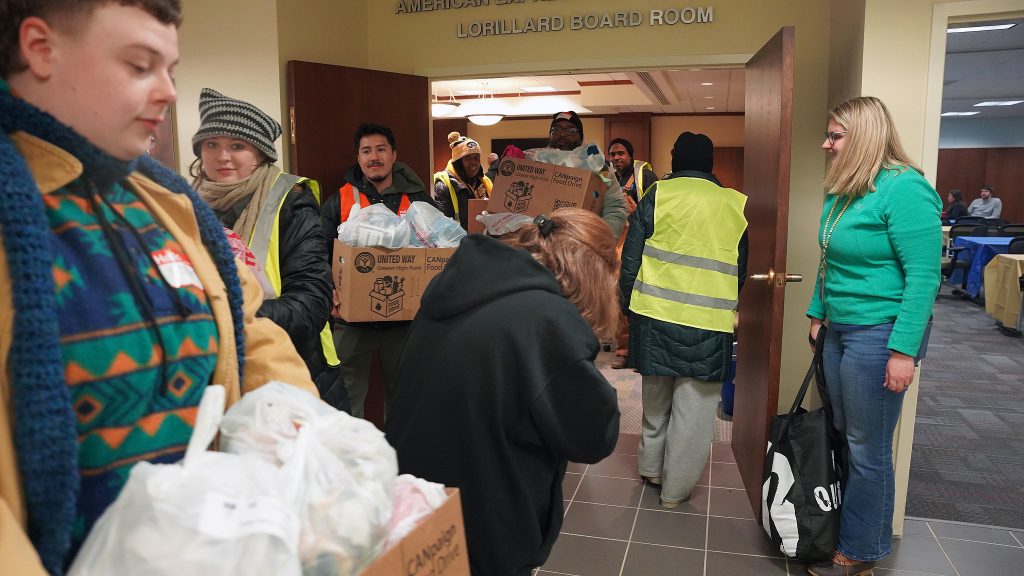
On Jan. 28, Joint Master of Social Work (JMSW) students in UNCG/NCAT program participated in the Guilford County Point-in-Time (PIT) Count. The annual count of sheltered and unsheltered people experiencing homelessness is conducted by the Guilford County Continuum of Care, with the collected data helping to determine what services and resources are needed to help prevent or end homelessness.

Fifteen JMSW students attended training to participate, before volunteering with Professor Johnette Walser for five hours in the evening and early morning to count the unhoused.

JPSW Students participating in Guilford County Point-in-time count.
JMSW students participated in the Guilford County Point-in-Time (PIT) Count

.