


Public Health Education student receives leadership award from UNCG
Kennedy Strong, a Public Health Education student, is the 2025 student recipient of the Gladys Strawn Bullard award.
Kennedy Strong, a Public Health Education student, is the 2025 student recipient of the Gladys Strawn Bullard award.

The UNCG Advising Excellence awards recognize the commitments of faculty and staff who make significant contributions to student success through the delivery of exemplary academic advising. Dr. Anne Fletcher is this year’s faculty advisor recipient.
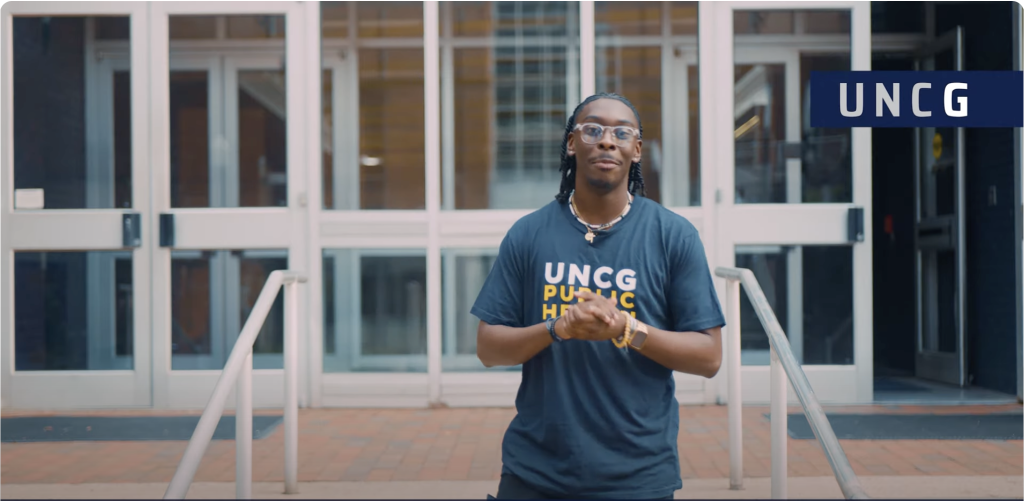
I want to work in public health advocacy. Doing work in marginalized and underserved communities is my goal. With Dr. Michael Perko, he helped me to establish what I wanted to do, and that also led me to meeting other wonderful professors of the Public Health (Education) Department, like Professor (Suzanne) Hunt.

Human Development and Family Studies Professor and HHS Associate Dean for Research Dr. Esther Leerkes has built an influential body of work. She is internationally recognized for her groundbreaking studies on maternal sensitivity to infant distress as a predictor of child social emotional outcomes. Her findings have paved the way for subsequent studies linking early infant experiences to child emotional regulation, academic performance, and mental health.

The Human Health Science degree serves as a great option for those seeking to ‘find themselves’ – students who know they want to pursue a career in healthcare but may have been unsuccessful in pinpointing a specific option.

Club founded by HHS students provides opportunities in health fields

Being able to bring clinical and personal experiences to the classroom, the students respond to that.
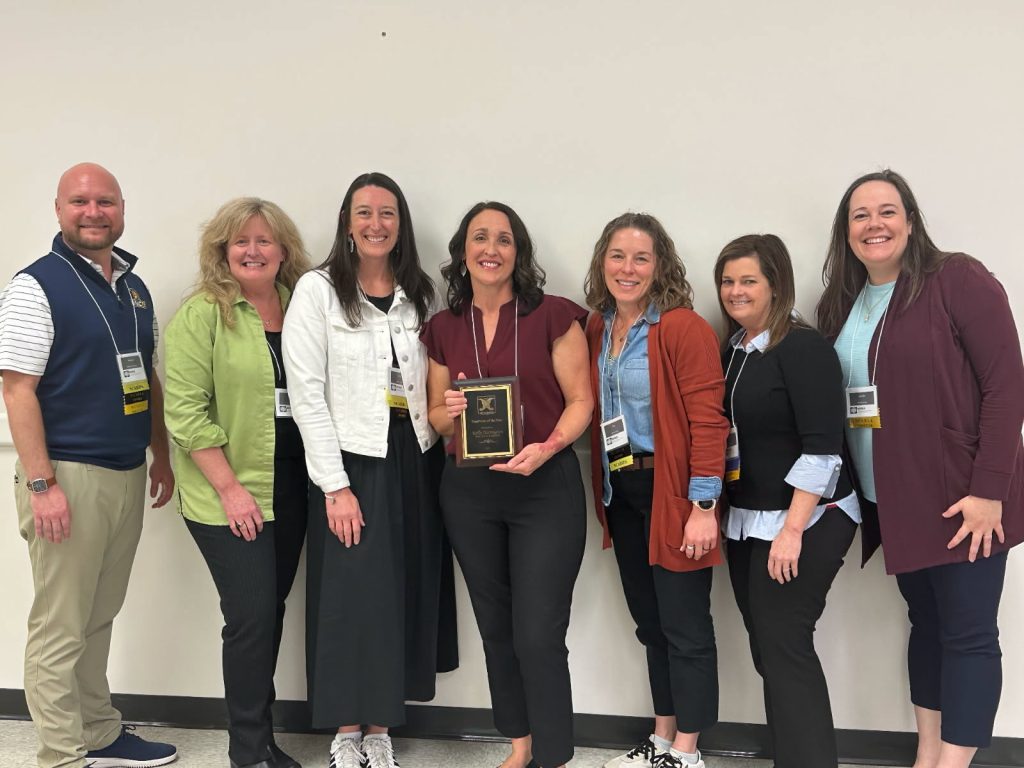
Department of Communication Sciences and Disorders Professor Kelly Harrington recently received the 2025 North Carolina Association of Supervisors in Speech-Language Pathology and Audiology (NCASSPA) Supervisor of the Year Award at the organization’s annual conference. This award recognizes Professor Harrington’s outstanding achievements in the area of supervision and clinical education in Speech-Language Pathology and Audiology.
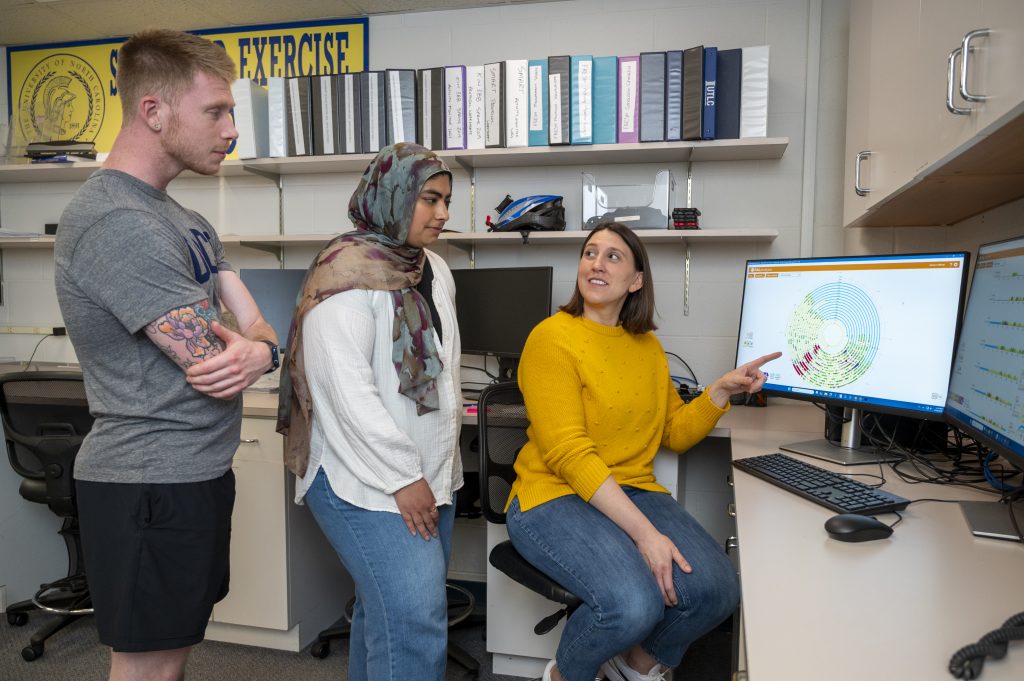
My approach to undergraduate research and teaching heavily emphasizes learning while prioritizing inclusion. It is important to me that all undergraduate students become comfortable engaging with scientific research because, as future health professionals, they will need to be able to review and evaluate the literature to inform their own evidence-based practice.

To be honest, I thought I’d play for one or two months. But then, I had a really supportive coach and team that kept me going. Alan Chu